Shirin Salehi
Testimony
Images are not innocent. They can trigger storytelling and unveil otherwise hidden worlds. From broken poems to erased images, most of the artist Shirin Salehi’s recent work engages with notions of removal, refusal, and restraint. How can unshareable stories be shared? What artistic gestures can allow for those voices to still be heard and meaningfully occupy the gallery space?
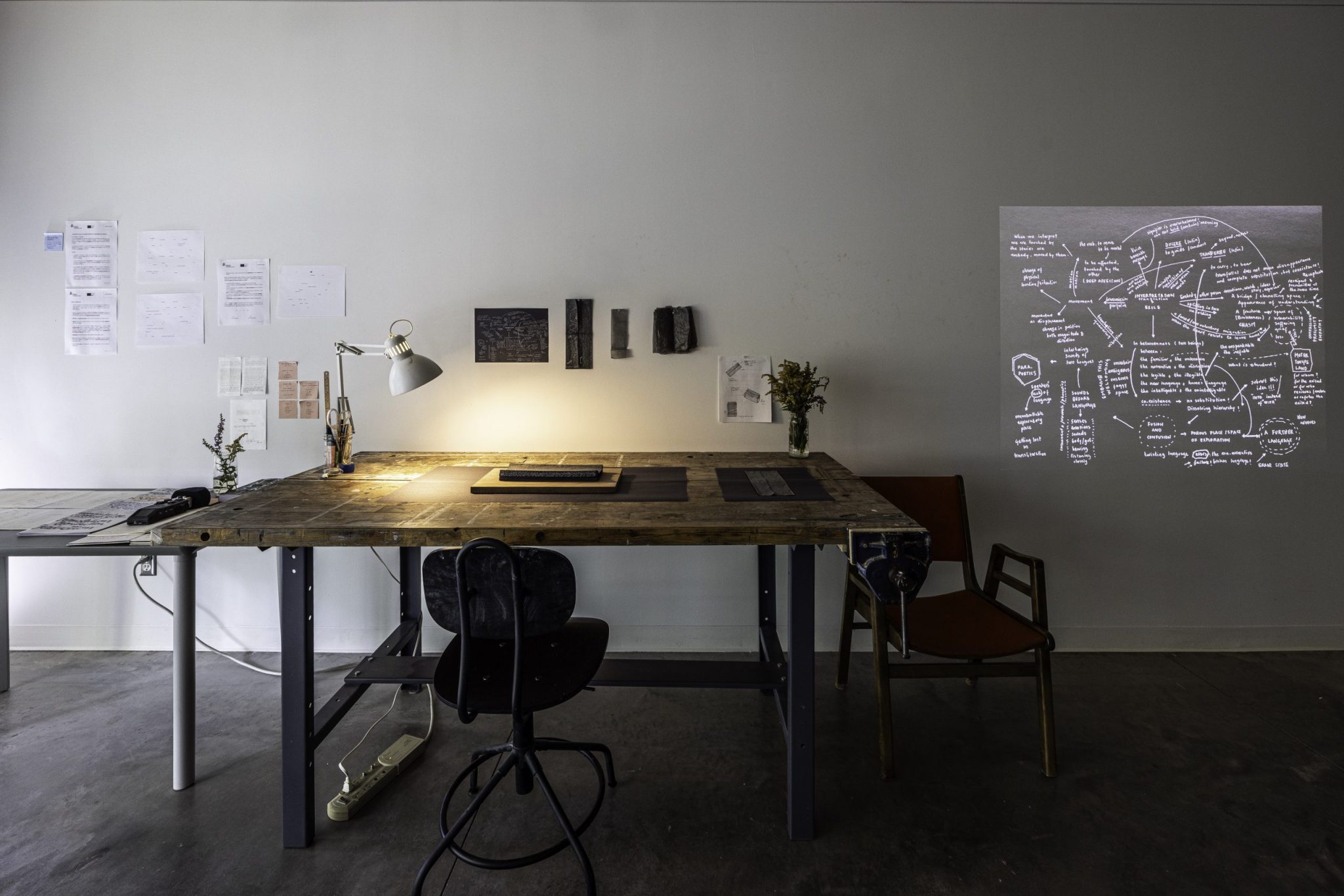
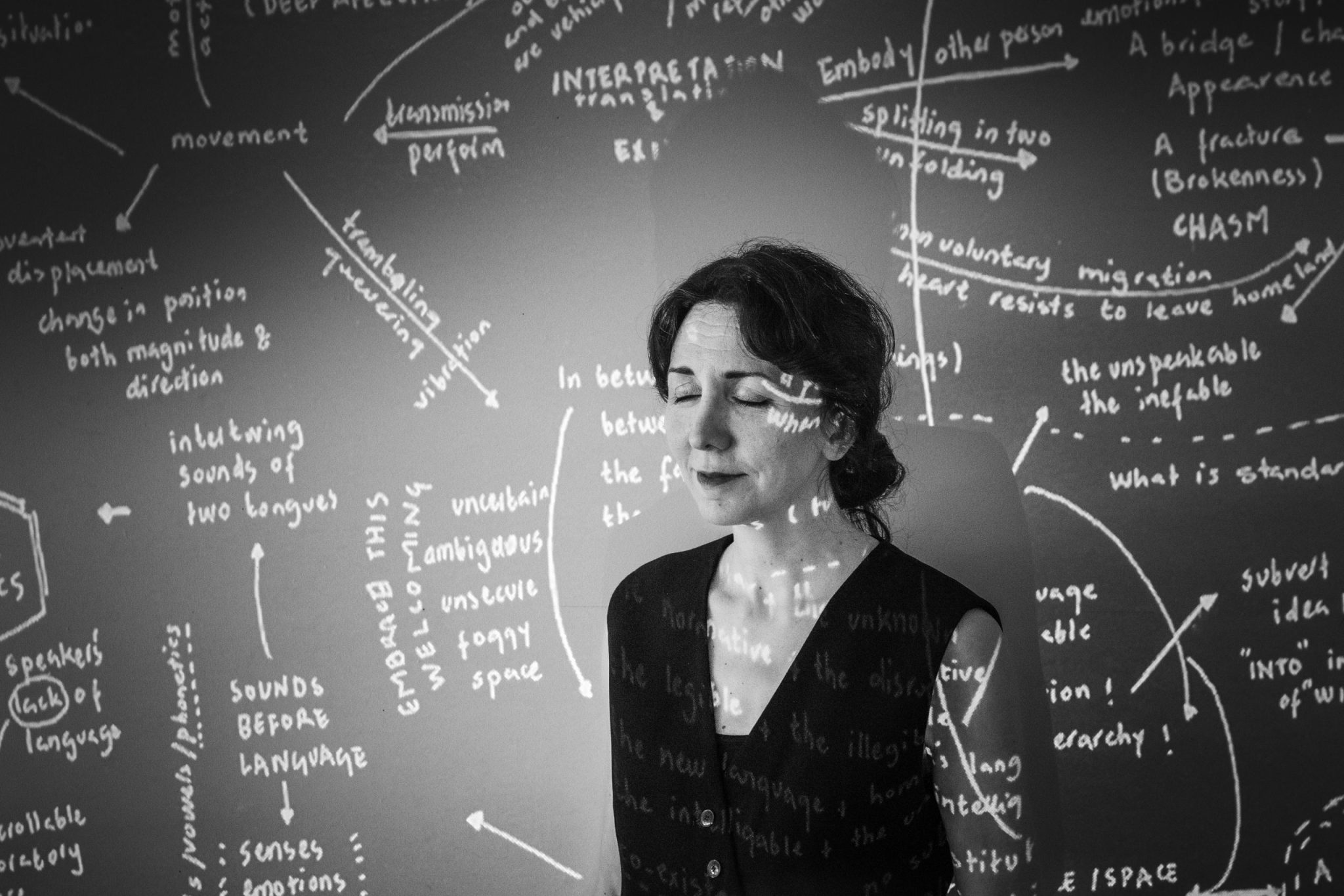
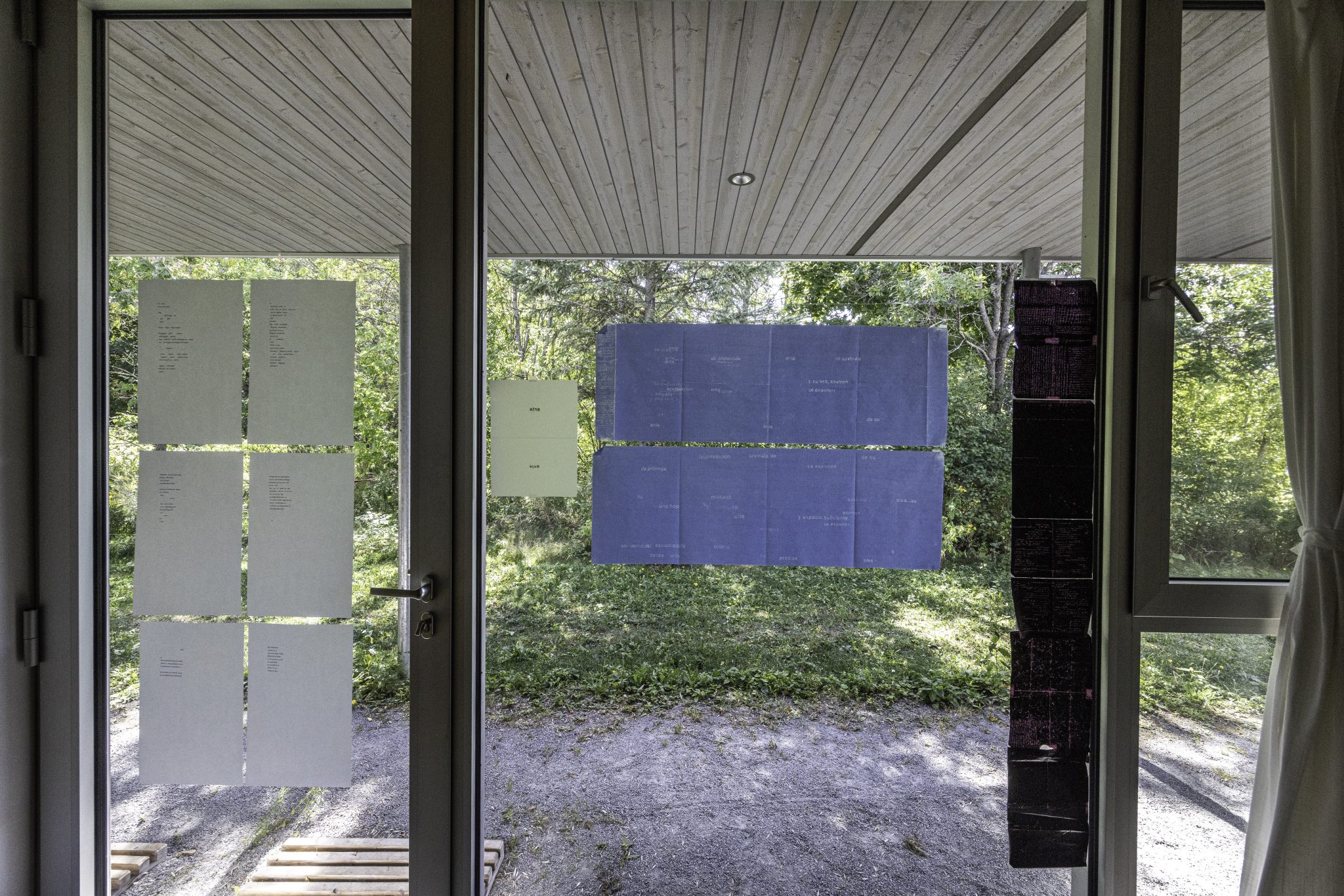
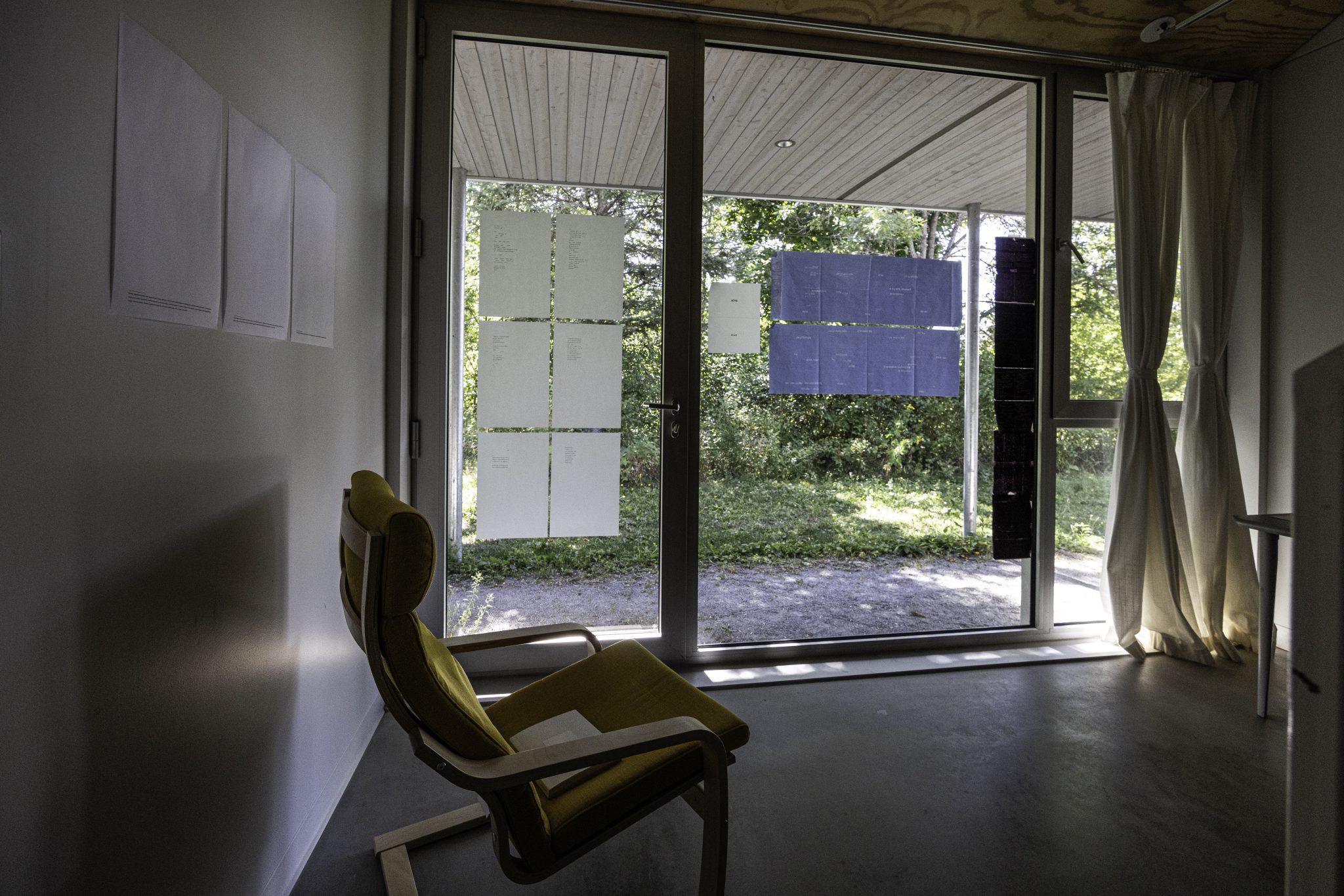
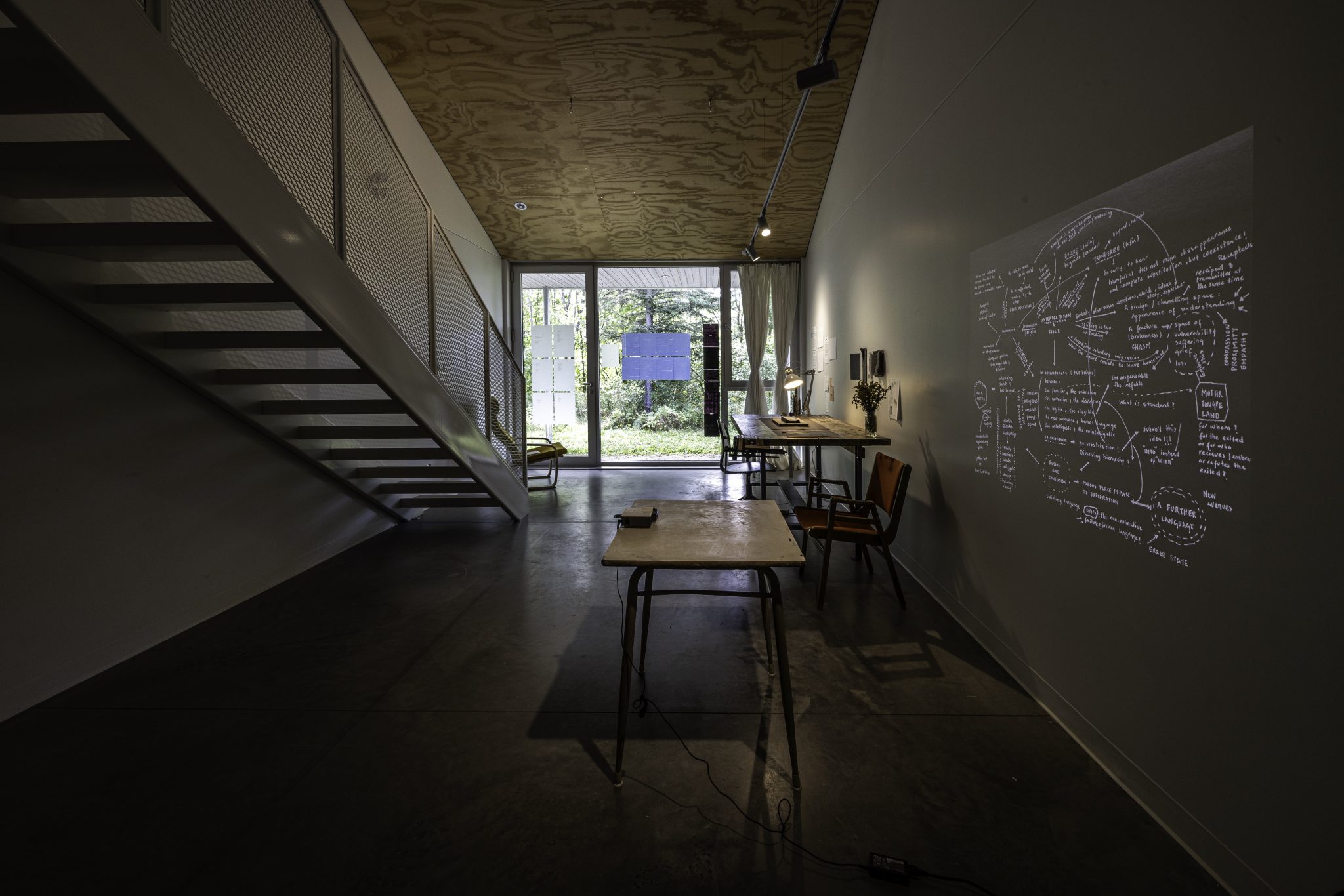
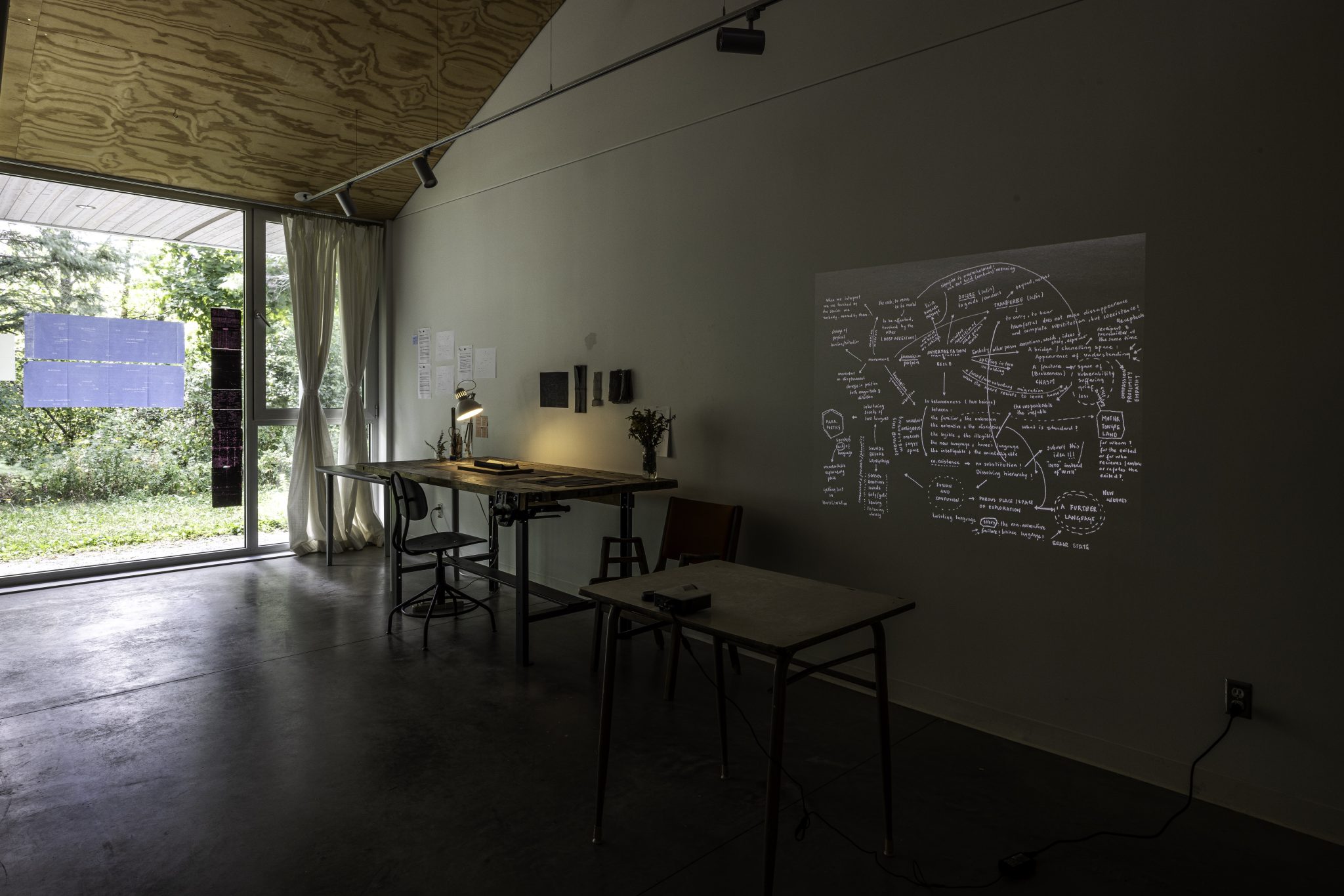
Upon entering Salehi’s studio, one is met with sober, sparse, and delicate paper-based installations. Among the artworks is her most recent artist book, What’s past is (not) prologue (2025). Emerging from research on the failures of languages caused by grief – especially in the context of the 2022 Woman, Life, Freedom protest movement in Iran – the book reads as an unexpected amalgamation of Persian (Salehi’s mother tongue) and Spanish (her second language, as she immigrated to Spain when she was almost seventeen years old). Although the book was originally intended to be read, over the course of her Est-Nord-Est residency Salehi realized that reading it aloud would make for a powerful performance. And so, late at night, she repeatedly practised for a future performance, fully immersing herself in the confluence of Persian and Spanish.
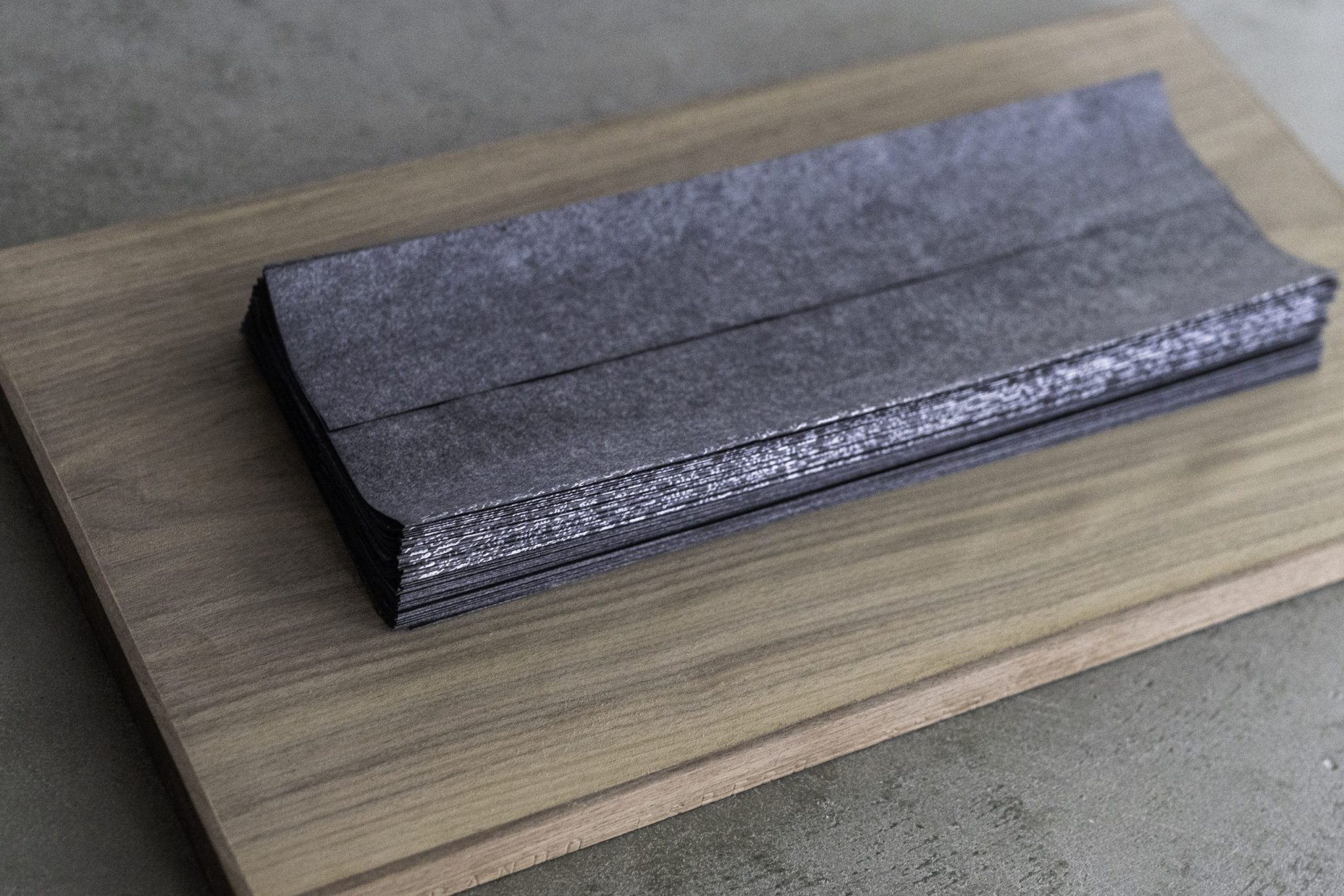
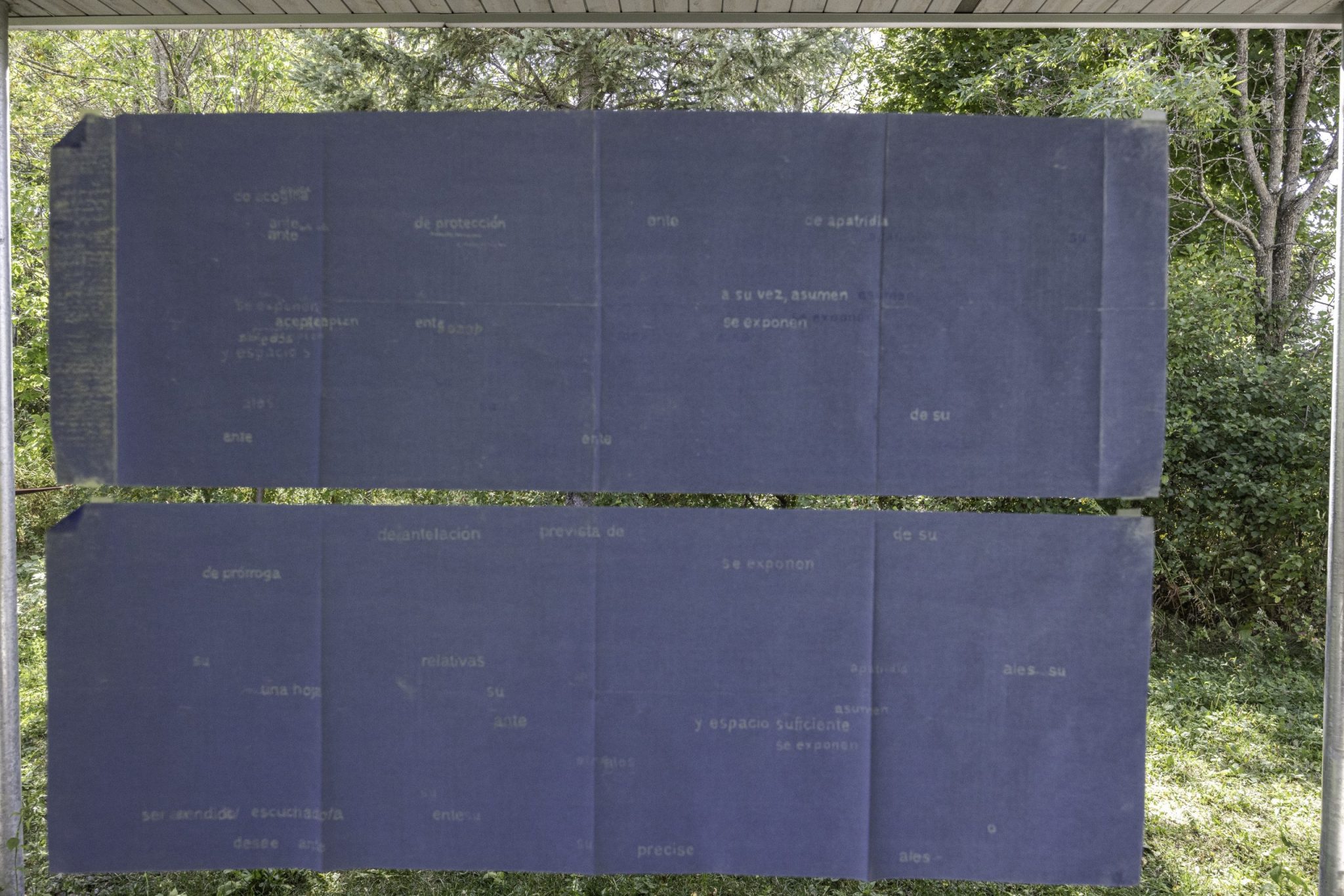
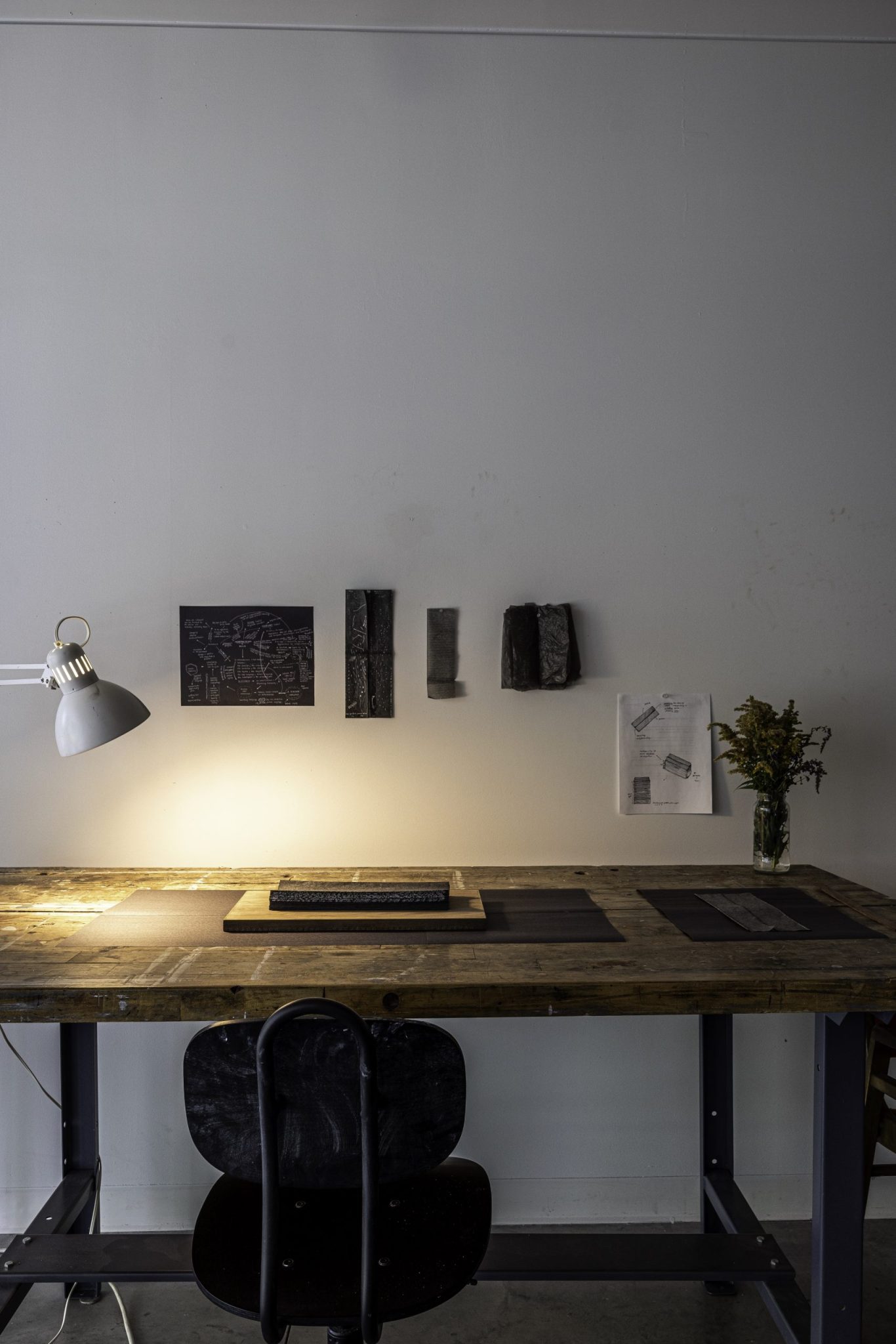
Deeply inspired and moved by the testimonies of Persian-speaking asylum seekers whose words she translates as part of her work as an interpreter for a Spanish NGO, Salehi seeks to honour those testimonies by rendering them illegible. Given that she is sworn to confidentiality and that interpreters’ notes cannot be shared, all of her works centre around intentional withholding. On a table, sheets of folded carbon paper are meticulously stacked. Upon closer look, one notices that on their folds is an illegible sentence repeated over and over again. Here, the repetition and accumulation signal the weight of the emotional work involved in such labour. On the adjacent wall and windows of the studio are broken poems obtained through the manipulating of a legal document read to Persian-speaking asylum seekers, a document that Salehi has had to translate periodically. The idea is to convey the emotions, the subtle vibrations, that she feels as she repeatedly goes through this translating process. Once again, carbon paper, chosen for its poetic materiality, presents itself as the perfect medium, for it is an interface where two languages meet, interact, and dialogue; they are paper bodies that gently hold others’ pain.
Biography
Shirin Salehi, born in Tehran in 1982, is a visual artist, educator, and translator based in Madrid. Through printmaking, drawing, sculpture, and video, she explores themes of illegibility, erasure, and hiddenness in language. She teaches at the LENS School of Visual Arts (Madrid) and the Center for Book Arts (New York). Shirin has been an artist-in-residence at the Academy of Spain in Rome and the Academy of France in Madrid (2014) and was nominated for the Queen Sonja Print Award in Norway (2022). Alongside her art practice, she works as an interpreter and mediator for Persian-speaking asylum seekers and refugees.
Discover
Newsletter
Keep up to date with the latest news!
Follow us
Thanks to the participation of